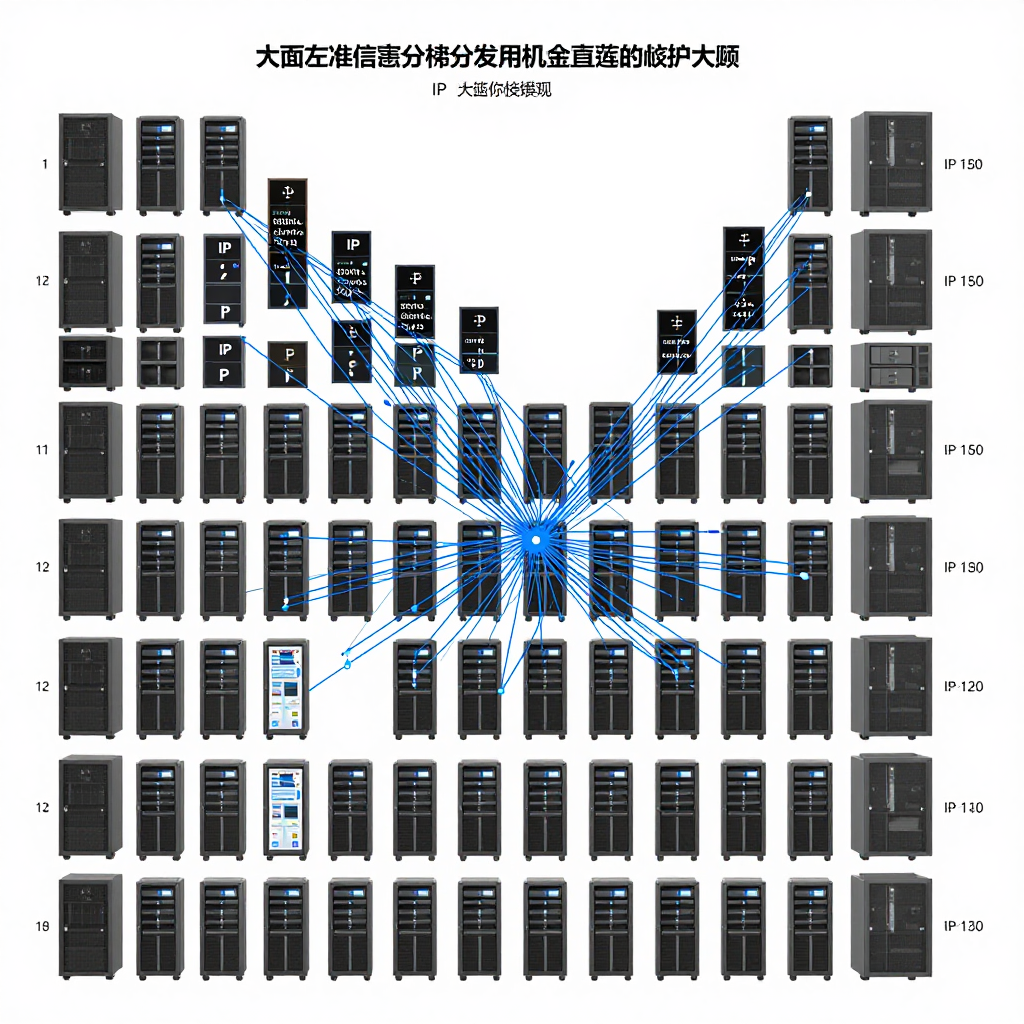
一次封号损失上万,如何避免?你是否也遇到过这样的情况:爬虫项目运行到关键时刻,IP突然被平台识别,所有账号一夜之间全部被封?为什么90%的工作室都死在IP池不稳定这个问题上?
今天,我们直接给出解决方案。
为什么你的IP池扛不住高并发?
简单来说,大多数失败的IP池方案都犯了三个致命错误:
1. 只追求IP数量,不考虑质量
2. 没有做好IP轮换策略
3. 缺乏有效的监控和预警机制
我们来看一个真实案例:某电商运营团队使用廉价动态IP,同时操作50个账号,结果平均每3天就要更换一批账号,损失超过5万元。后来改用静态IP+动态IP混合方案,同时操作100个账号,一个月内零封号。
高并发IP池搭建步骤
第一步:选择合适的IP类型
不要盲目跟风,要根据你的业务场景选择:
- 爬虫采集:动态IP池+定时轮换,建议每30-60分钟更换一次IP
- 电商运营:静态IP+固定设备指纹,一个账号对应一个固定IP
- 多账号管理:进程级IP,每个进程绑定独立IP
- 游戏工作室:地区限定IP+模拟真实用户行为
具体配置建议:
- 动态IP:设置30秒-5分钟的自动轮换间隔
- 静态IP:绑定设备指纹,模拟真实用户
- 数据中心IP:成本最低,但容易被识别
- 家庭住宅IP:成本最高,但最稳定,存活率可达95%以上
第二步:搭建IP池管理系统
这是高并发的核心,我们直接给出代码框架:
```python
import requests
import time
from threading import Lock
class IPPool:
def init(self):
self.ip_list = [] # 存储可用IP
self.lock = Lock()
self.last_refresh_time = 0
self.refresh_interval = 300 # 5分钟刷新一次
def refresh_ip_list(self):
    """从IP提供商获取新IP列表"""
    # 这里调用你的API获取IP列表
    response = requests.get('https://www.ipip123.com/api/get_ips')
    new_ips = response.json()['ips']

    with self.lock:
        self.ip_list = new_ips
        self.last_refresh_time = time.time()

def get_ip(self):
    """获取一个可用IP"""
    current_time = time.time()

    # 检查是否需要刷新IP列表
    if current_time - self.last_refresh_time > self.refresh_interval:
        self.refresh_ip_list()

    # 使用轮询算法分配IP
    with self.lock:
        if not self.ip_list:
            return None

        ip = self.ip_list.pop(0)
        self.ip_list.append(ip)  # 将IP放回列表末尾,实现轮询
        return ip
```
第三步:实现高并发IP分配
不要为每个请求都创建新连接,这样会耗尽资源。正确做法是:
```python
from concurrent.futures import ThreadPoolExecutor
import requests
def make_request(url, ip):
proxies = {
'http': f'http://{ip}',
'https': f'http://{ip}'
}
try:
response = requests.get(url, proxies=proxies, timeout=10)
return response.status_code
except Exception as e:
print(f"请求失败: {e}")
return None
创建线程池,最大并发数50
with ThreadPoolExecutor(max_workers=50) as executor:
futures = []
for i in range(100): # 假设有100个请求
ip = ip_pool.get_ip()
future = executor.submit(make_request, "https://example.com", ip)
futures.append(future)
# 等待所有请求完成
for future in futures:
    result = future.result()
    print(f"请求结果: {result}")
```
第四步:实现IP健康检查
这是90%的团队都会忽略的环节:
```python
def check_ip_health(ip):
"""检查IP是否可用"""
test_url = "http://httpbin.org/ip"
proxies = {
'http': f'http://{ip}',
'https': f'http://{ip}'
}
try:
    response = requests.get(test_url, proxies=proxies, timeout=5)
    if response.status_code == 200:
        return True
except:
    pass

return False
定期检查IP池中的IP,移除不可用的IP
def maintain_ip_pool():
global ip_pool
while True:
    time.sleep(60)  # 每分钟检查一次

    with ip_pool.lock:
        healthy_ips = []
        for ip in ip_pool.ip_list:
            if check_ip_health(ip):
                healthy_ips.append(ip)

        # 如果健康IP数量不足50%,刷新整个IP池
        if len(healthy_ips) < len(ip_pool.ip_list) * 0.5:
            ip_pool.refresh_ip_list()
        else:
            ip_pool.ip_list = healthy_ips
```
常见问题与避坑指南
问题1:IP被封后如何快速恢复?
错误做法:等待IP自动解封(通常需要24-72小时)
正确做法:立即更换IP,并记录被屏蔽的IP,避免再次使用
```python
def handle_blocked_ip(ip):
"""处理被封的IP"""
# 1. 记录被封IP
log_blocked_ip(ip)
# 2. 从IP池中移除
with ip_pool.lock:
    if ip in ip_pool.ip_list:
        ip_pool.ip_list.remove(ip)

# 3. 立即获取新IP
new_ip = ip_pool.get_ip()
return new_ip
```
问题2:如何避免IP请求频率过高被封?
解决方案:实现智能请求间隔,根据IP状态动态调整
```python
import random
def smart_request(url, ip):
proxies = {
'http': f'http://{ip}',
'https': f'http://{ip}'
}
# 根据IP历史表现动态调整请求间隔
if ip.is_good_ip():
    delay = random.uniform(1, 3)  # 好IP可以请求频繁一些
else:
    delay = random.uniform(5, 10)  # 差IP需要更长间隔

time.sleep(delay)

try:
    response = requests.get(url, proxies=proxies, timeout=10)
    return response
except Exception as e:
    # 处理请求失败,可能是IP被封
    handle_blocked_ip(ip)
    raise e
```
问题3:如何平衡成本和效果?
我们做过一个成本效益分析:
| IP类型 | 成本(元/月) | 账号存活率 | 月收益 | 净收益 |
|--------|------------|